

Wine making has been a part of Missouri’s history for more than 200 years. It’s a story marked by success and setback, devastation and restoration. The early settlers who brought their wine-making traditions to the region helped shape American viticulture – only to see Prohibition destroy the wineries they had created. Decades later, a second wave of dedicated vintners revived Missouri wine. Today, the industry is thriving with more than 120 wineries located throughout the Show-Me State.

Early Beginnings
When French settlers arrived in what would eventually become southeast Missouri and established the town of Ste. Genevieve in the late 1730s, they found the climate and landscape favorable for growing grapes to make wine. Decades later, German author Gottfried Duden – who came to Missouri in 1824 – wrote a best-selling book about the region that attracted many Germans to the area.
The state’s wine production began in earnest when German immigrants settled in the Missouri River Valley, and the vineyards they planted began to flourish. It wasn’t long before Italian settlers arrived and started planting grapes and making wine in the central part of the state.
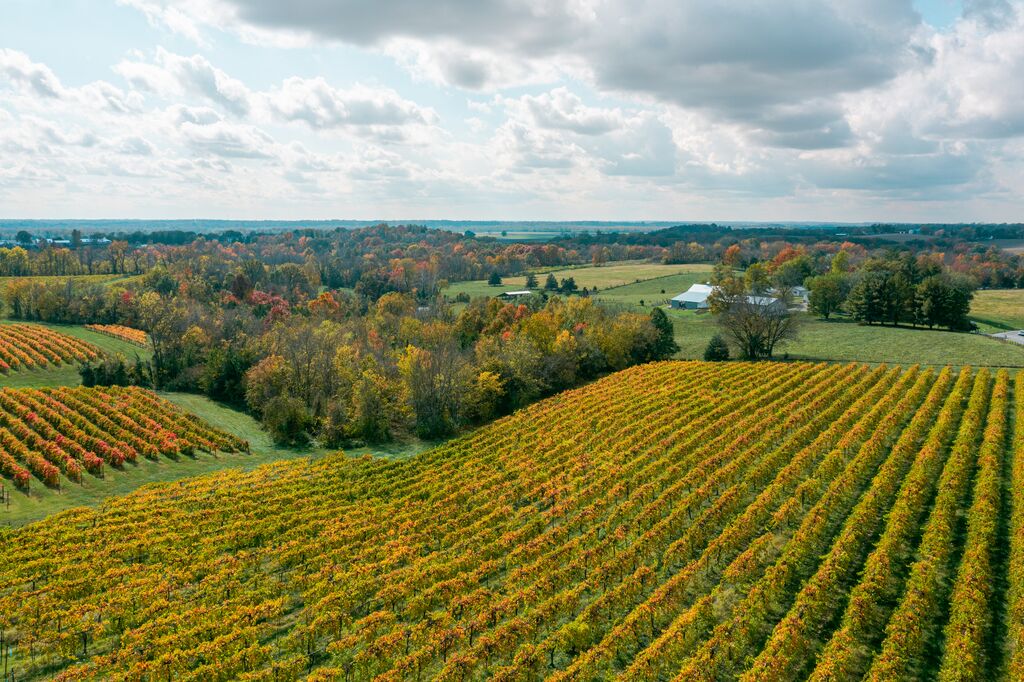
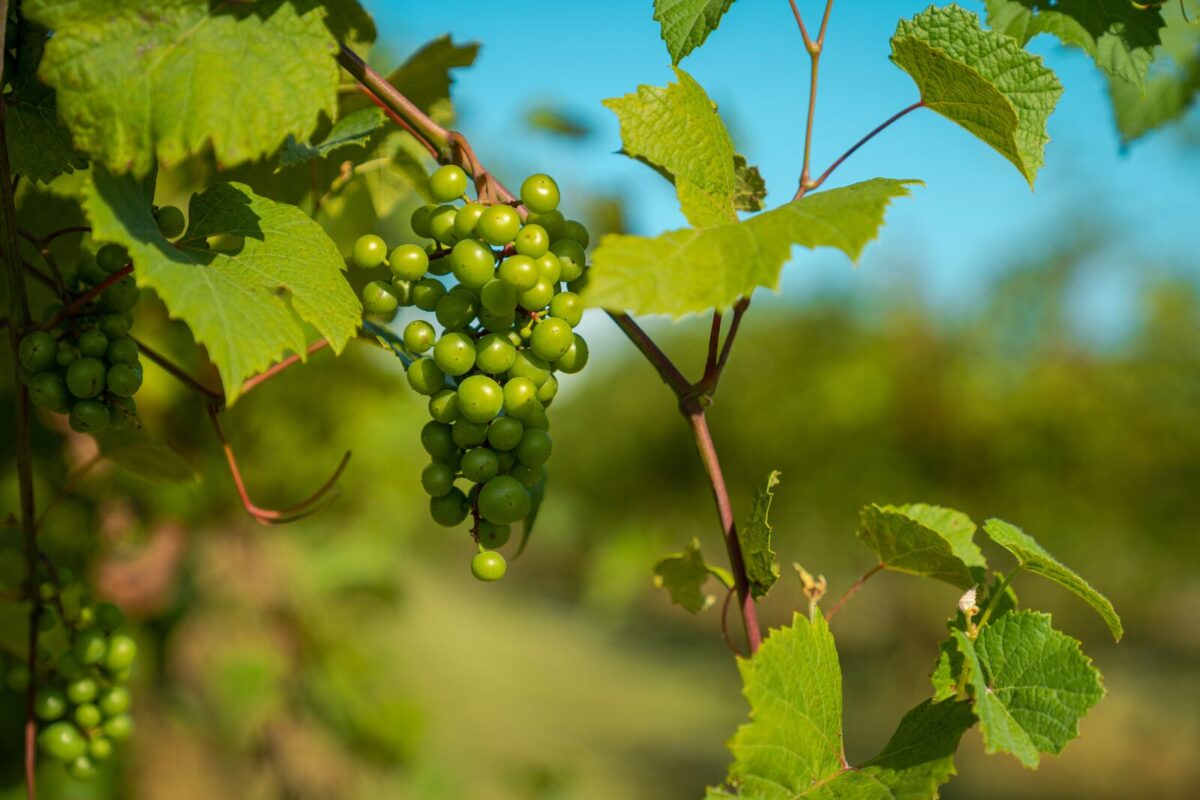
In the mid-1800s the quality of Missouri wine was given a boost when self-taught scientist George Husmann began crossing wild grapes with cultivated varieties to create hybrids that could withstand Missouri’s challenging weather conditions. Many vintners also began planting Norton grapes. Developed in Virginia, the variety was introduced to vineyards in the Hermann area in the 1840s. With the availability of improved grape varieties, Missouri wines soon began winning wine competitions across the world.
Rise of Missouri Wine
By the late 19th century, Missouri was a leader in American viticulture. The state’s wineries were producing three million gallons of wine a year. Stone Hill Winery in Hermann grew to become the second largest winery in the country.
As Missouri was gaining stature as a premier wine producer, France’s prized vineyards were dying from the damage caused by phylloxera, an aphid-like parasite that was destroying the roots of their grapevines. Many feared the Great French Wine Blight of the 1880s would wipe out Europe’s wine industry.
U.S. viticulture experts suggested grafting French grapevines onto American grapevines, which were immune to the insects. Hundreds of thousands of rootstocks were gathered from Missouri vineyards and shipped to France. The grafting process was a success, and Missouri was credited with helping to save the French wine industry.
Impact of Prohibition
It was Prohibition, not a parasite, that virtually ended wine production in Missouri in the early 1920s. The wine industry came to an abrupt halt in 1920 with the passage of the 18th amendment to the U.S. Constitution that banned alcohol. The state’s vineyards and wineries were dismantled – grape vines were pulled from the ground, and barrels of wine were dumped in the streets. Many wineries disappeared altogether while some resorted to making grape juice, and others were reduced to growing mushrooms in their underground cellars.
Rebirth of Missouri Wine
Prohibition was repealed in 1933, but it took several decades for wine production in Missouri to recover. The forefathers of the state’s current wine industry restored the region’s winemaking traditions. Jim and Betty Held, along with their family, reopened Stone Hill Winery in 1965. Five years later, Jim and Pat Hofherr and their family established St. James Winery. In the years that followed, dozens of new wineries sprang up across the state.
In 1980, the nation’s first American Viticulture Area was established in the Augusta area – one of Missouri’s historic wine regions. The state now has five AVA-designated wine grape growing regions.
Missouri Wine Today
Missouri is currently home to more than 120 wineries and 1,700 acres of vineyards. The Norton – the official state grape of Missouri – makes up about 20 percent of the grapes grown in the state. The wineries produce more than a million gallons of wine every year.
Missouri wine has resumed its winning ways as well – receiving numerous awards in recent years at national and international competitions.
The state has also made a name for itself crafting the oak barrels essential to the winemaking process. In ancient times, wine was transported in clay vessels, but early vintners discovered that it was more efficient to store wine in barrels. They also realized that using oak barrels enhanced the flavor of the wine. With an abundance of oak forests, Missouri now produces a majority of the oak barrels used for making wine in the United States.
Missouri Wine Country
Missouri wine country includes multiple regions – and nine wine trails – across the state. With inviting tasting rooms, expansive decks and intimate patios, the wineries welcome visitors to sample a variety of wine in some of the states most beautiful places.
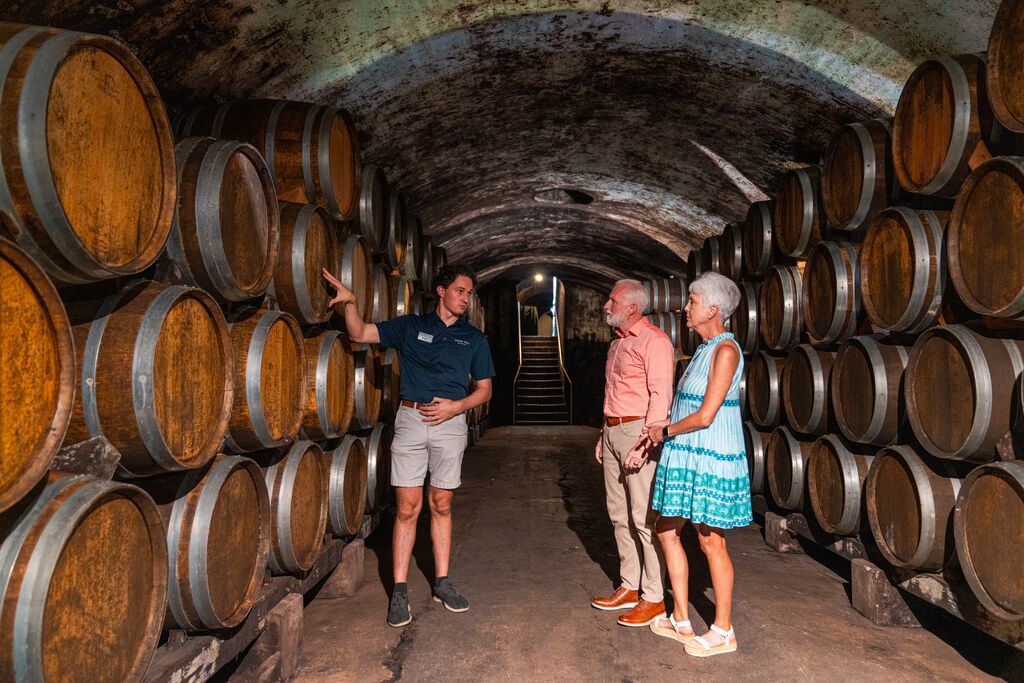
Several wineries, including Stone Hill Winery and Hermannhof Winery in Hermann and Mount Pleasant Estates in Augusta, offer tours of their historic wine cellars, which remain an important part of the state’s wine production. Touring these impressive structures is the perfect way to immerse yourself in the history of Missouri wine.
From the historic wineries in Hermann and Augusta to newer wineries in the Kansas City area, the Branson area and other locations throughout the state, there are many opportunities to savor the wine and experience all that Missouri wine country has to offer.