

The Show-Me State is home to 93 state parks and historic sites, so you’re never far from some of the best places to experience Missouri’s diverse landscape, natural beauty or the state’s history. The state’s most popular parks are always worth a stop, but there are plenty more to explore in every region of the state.
Planning Your Visit
Things to Know
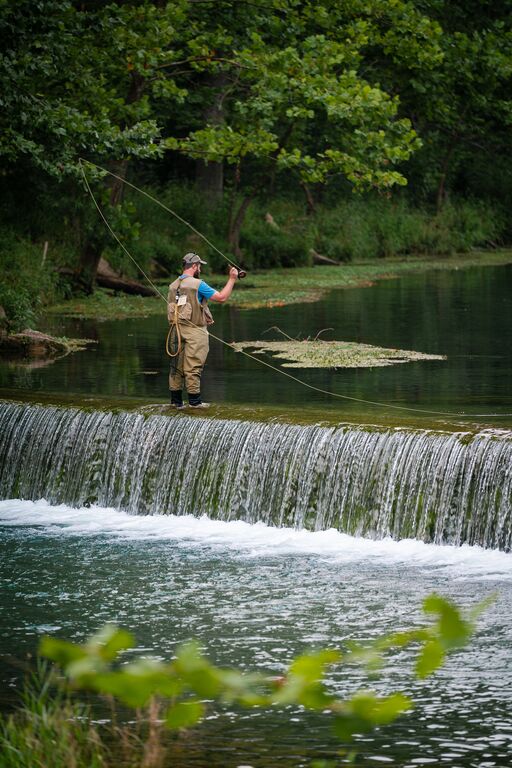
Missouri state parks and historic sites offer countless ways to experience adventure your way. Many feature streams and lakes for fishing, including three of the nation’s premier trout fishing destinations. There are plenty of swimming holes to cool off during the hottest Missouri summer days, along with abundant trees and wetlands – prime locations for spotting rare birds. Plus, the parks boast more than 1,000 miles of trails for hikers, bicyclists and backpackers. All the parks have day-use areas and many offer lodging and camping options. Even better, they are all free to enter.

Camping and Lodging
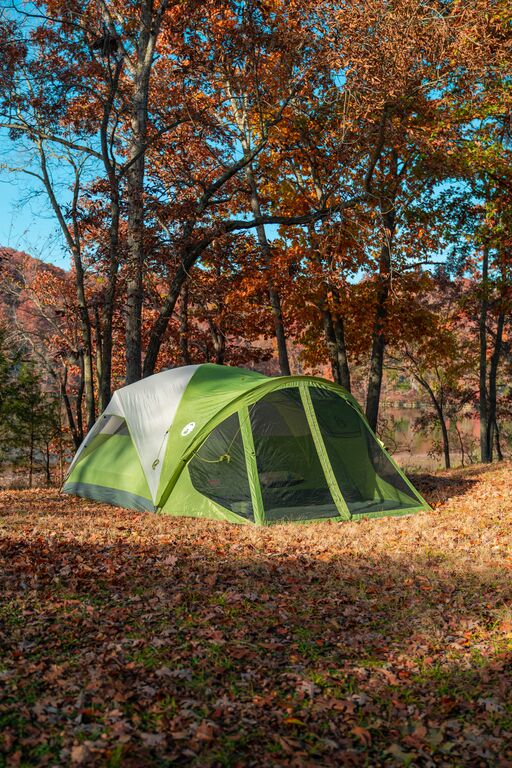
Forty-one state parks and historic sites offer more than 3,500 campsites that range from secluded walk-in sites to sites with hookups for water, sewer and electrical service. Campgrounds offer amenities such as hot showers, laundry facilities and dump stations. It’s always best to check specific amenities for the park you plan to visit by checking out the park or site’s website. While reservations are recommended, some campsites might be available for walk-up registration if they haven’t been reserved. However, it’s always best to book in advance to secure your spot, especially during peak season or at popular parks. Not a fan of tent camping or don’t own one? No worries. Some locations offer other lodging options such as yurts, cabins or lodge rooms.
Park Policies
- Missouri state parks are generally open from sunrise to sunset for those not camping or staying in park lodging facilities.
- Pets must be kept on leashes no longer than 10 feet and under control at all times.
- Camping is only allowed in designated campsites.
- Practice appropriate camping or hiking etiquette and leave nature better for the next person.
Before visiting, make sure you are aware of all general camping rules and camping and lodging rules if you plan to stay overnight.
State Park and Sites in Central Missouri
Lake of the Ozarks State Park
Enjoy the solitude of an undeveloped cove hidden along the shorelines of one of Missouri’s largest lakes. Swim, fish or simply take in the view from a shady campsite or picnic area overlooking the Lake of the Ozarks. The park offers the opportunity to enjoy a variety of recreational activities on the lake or on shore. This park is the largest of Missouri’s state parks.
On shore, hikers, backpackers, equestrians and bicyclists can wind through open woodlands, sunny glades, small springs and streams to blufftop views of the Lake of the Ozarks. Water enthusiasts can make use of the park’s two swimming beaches, boat rentals and paved boat ramps. Park stores sell all of the necessary supplies for a day on the water. Year-round overnight accommodations include campsites, outpost cabins and yurts.
Harry S Truman State Park
Dramatic bluffs and hardwood forests surround one of Missouri’s largest lakes at Harry S Truman State Park, located in Warsaw. From a boat or from the shore, Truman Lake offers some of the best fishing in the area, with crappie, black bass, catfish and white bass challenging anglers of all skill levels. On the Western Wallflower Glade Trail, hiking enthusiasts experience firsthand the glade and savanna habitat that is being preserved in its pre-settlement conditions. It is also one of the best places in the park to view widely spaced oaks that still shade a mantle of prairie grasses and wildflowers.
The park offers basic and electric campsites scattered throughout the park. Facilities in the campgrounds include a dumping station, hot showers, modern restrooms and laundry facilities. For those interested in cooling off, the sand beach has a swimming access complete with change houses and restrooms.
Rock Bridge Memorial State Park
Discover fascinating geologic features at Rock Bridge Memorial State Park, five miles south of Columbia. The park contains some of the most popular hiking trails in the state and offers solitude while hiking in the Gans Creek Wild Area. Visitors can also see a large cave system with its rock bridge, sinkholes, a spring and underground stream at the Devil’s Icebox. You can explore Connor’s Cave in the light of the opening for a taste of the underground world.

Missouri State Museum
The Missouri State Museum is where visitors go to immerse themselves in the history of the Show-Me State. The museum, located in the state Capitol, houses an impressive collection of exhibits portraying the state’s natural and cultural history. Museum staff provide tours of the Capitol. The museum also includes locations near by including Jefferson Landing, which was a busy center of commerce along the Missouri River during the mid-1800s and nearby Union Hotel containing the Elizabeth Rozier Gallery with changing exhibits on Missouri history, art and culture.
State Parks and Historic Sites in Northwest Missouri
Weston Bend State Park
You’ll find secluded picnic sites and sweeping views of the Missouri River at Weston Bend State Park, a short drive from Kansas City. The park features a scenic overlook that is accessible to people with disabilities. From the overlook visitors can see one of the most expansive views of the Missouri River in the state, the wild bottomland forests of Fort Leavenworth and 6 to 8 miles into Kansas. The park also offers a paved trail that goes through a section of mature river hills hardwood forest, complete with pawpaws, white oaks, sycamores and more. The second half of the trail gradually climbs back to the starting point and travels through a stand of maple trees that gives way to old farm fields.
Watkins Mill State Park
A paved bicycle path circles a 100-acre lake at Watkins Mill State Park, near Excelsior Springs. The lake features an accessible fishing dock and areas for launching boats and kayaks. Bass, catfish, crappie and sunfish are plentiful in the blue waters. The sandy swimming beach is a popular spot on a warm, sunny day, and a change house is available nearby. The park is adjacent to the Watkins Woolen Mill State Historic Site, a National Historic Landmark. Watkins Mill has 96 campsites, 74 with electric hookups. For a little extra space, try one of the park’s family campsites.
Watkins Woolen Mill State Historic Site
Step back into the 19th century and explore the buildings and farm of Waltus Watkins. The site preserves the Watkins’s home and a three-story woolen mill providing a sense of what life was like in the 1870s. The mill is the only 19th century textile mill in the United States with its original machinery still intact. Tours are offered of the mill and the family’s house.
State Parks and Historic Sites in Northeast Missouri
Cuivre River State Park
One of Missouri’s largest parks and most rugged, Cuivre River State Park encompasses more than 6,000 acres north of St. Louis. Explore more than 38 miles of hiking, backpacking and equestrian trails. Cast your line into the 55-acre Lake Lincoln, which is stocked with largemouth bass, bluegill and channel catfish. The lake also has a designated swim beach providing an opportunity to cool off after a long hike.
Thousand Hills State Park
Thousand Hills State Park, located near Kirksville, is the first Missouri state park to be designated as an Urban Night Sky Place by DarkSky International — making it a great place for stargazing. The park’s Forest Lake is the centerpiece of Thousand Hills State Park and offers boating, fishing and swimming. The area’s wooded shoreline and broad savannas offer hiking and mountain biking. An interpretive shelter provides information about the park’s petroglyphs – Native American rock carvings that date back 1,500 years.
Deutschheim State Historic Site
Discover Missouri’s German American heritage at the Deutschheim State Historic Site in Hermann. During the 19th century, the eastern end of the Missouri River valley witnessed an extraordinary migration of German people. This site offers tours of the Pommer-Gentner house, built in 1840, and is one of the oldest surviving buildings in Hermann and the Strehly house. The Strehly building housed Carl Strehly and Eduard Muehl’s printing business, which produced the first German newspaper west of the Mississippi in 1843.
State Parks and Historic Sites in Southwest Missouri
Prairie State Park
Take in panoramic views of swaying grasses and an ever-changing display of wildflowers at Prairie State Park, south of Lamar. Tallgrass prairies once covered more than a third of Missouri, but today, less than 1% remains. Prairie State Park is Missouri’s largest remaining tallgrass prairie landscape. The park preserves a unique and rare diversity of life. That diversity is represented in more than 150 birds, 25 mammals, 25 reptiles, 12 amphibians and approximately 500 species of plants, 350 being native prairie species. Visitors can take a short hike or reserve the park’s backpacking camp and sleep under the vast prairie sky. Keep your eyes peeled as you might spot the park’s resident bison herd, or a sweet “red dog” just born in the spring.



Stockton State Park
A steady breeze and clear waters make Stockton Lake a perfect place for sailing, kayaking, fishing or swimming. Visit the marina where you can rent a vessel of your choice and become captain of your own adventure. Kayakers can paddle the Stockton State Park Water Trail and see limestone bluffs cut by the Little Sac and Big Sac rivers and wildlife such as bald eagles and beavers. Prefer to stay on land? Watch as sailboats glide across the lake and explore the state park on several hiking trails.
State Parks and Historic Sites in Southeast Missouri
Johnson’s Shut-Ins
The wilderness qualities and geology of Johnson’s Shut-Ins State Park and the surrounding St. Francois Mountains make this park a special place to visit. Visitors have a variety of camping types including backcountry, basic camping sites and full RV hookups. If you require a few more amenities, the park offers camper and housekeeping cabins throughout the park.

Grand Gulf State Park
Peer into Missouri’s “Little Grand Canyon” at Grand Gulf State Park, located west of Thayer, near the state’s southern border. The gulf – one of the most spectacular collapsed cave systems in the Ozarks – stretches about three-quarters of a mile between 130-foot-high rock bluffs. Explore the area from trails and overlooks along the top edge, or venture carefully to the bottom (there is no official trail) where you can walk under a natural bridge spanning 250 feet.
Dillard Mill State Historic Site
The site interprets one of the state’s best-preserved gristmills, completed in 1908. Set on the blue waters of Huzzah Creek, the red mill at Dillard Mill State Historic Site is a perfect “Kodak Moment.” This calm setting provides plenty of opportunities to fish, hike, picnic or daydream about the slow pace life once had. Take the site’s 1.6-mile Mill View Trail, which goes up a steep grade and loops through an area of glades and upland forests revealing a scenic view of the mill and pond.
These are just a few of the amazing locations within the Missouri State Parks system. Set out on your adventure today.